AID-CC M12 Meeting
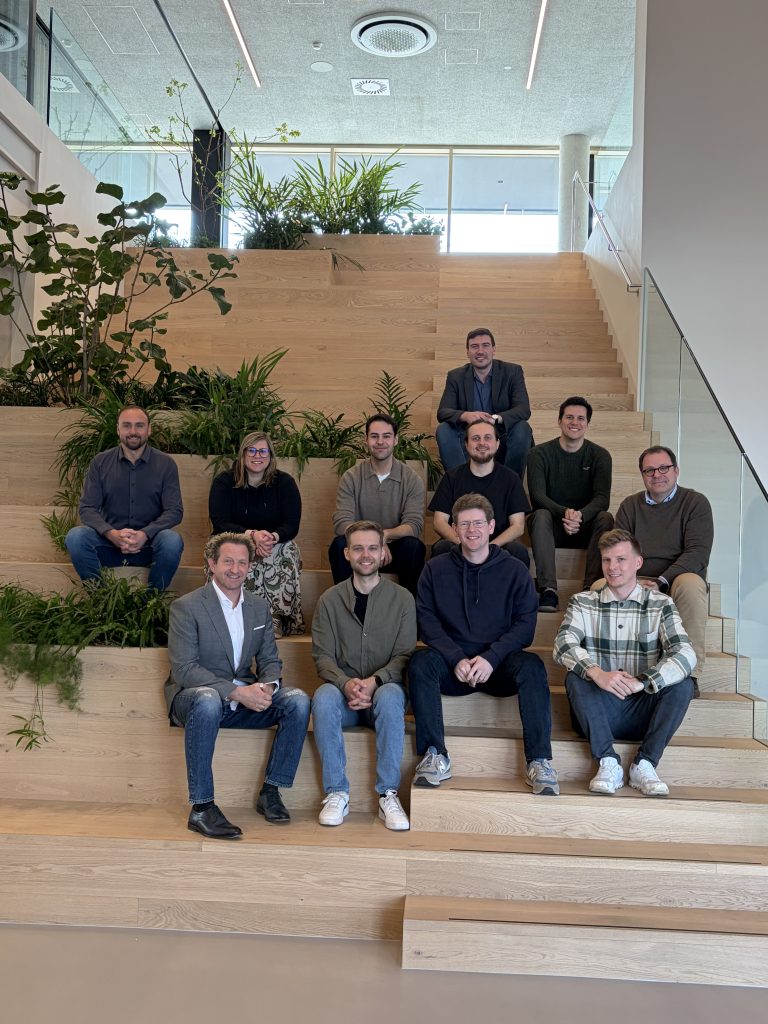
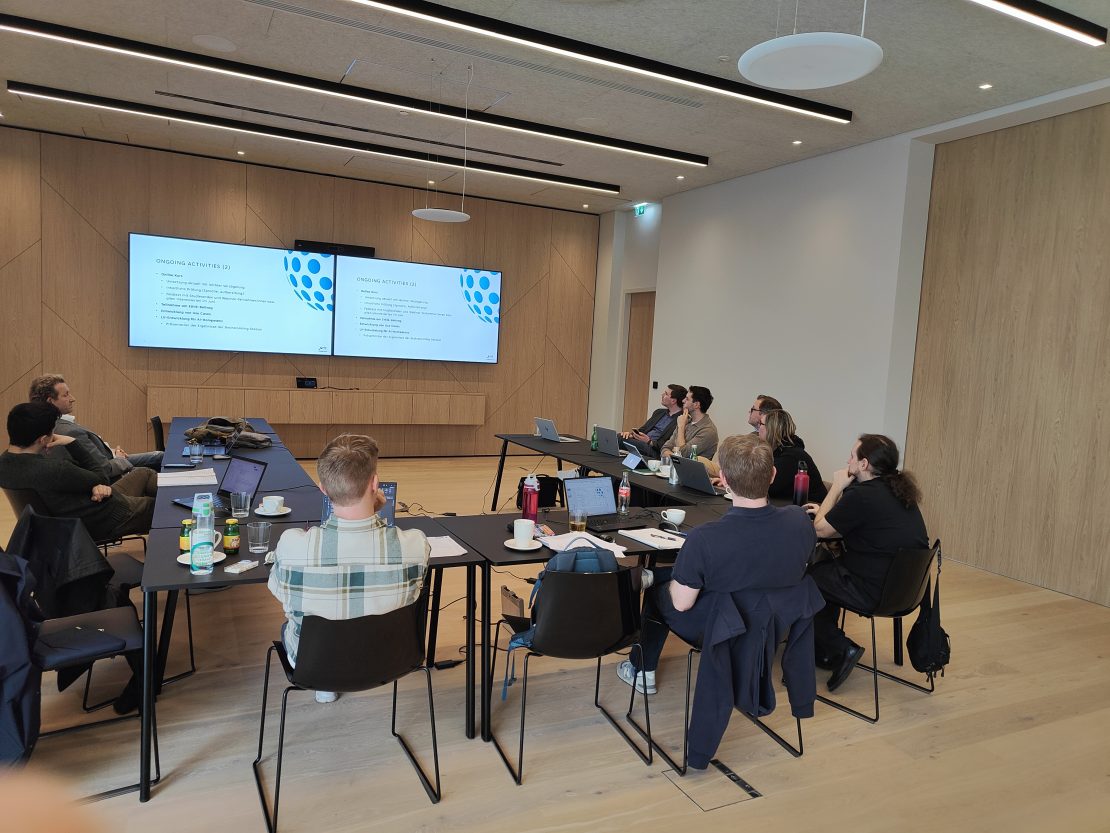
On March 20th, our way took us to Wels, to x-tention modern headquarter, for our one-year anniversary meetup.
Its focus was to discuss the project’s progress, to review the results after one year and prepare them for the mid-term report. Main results achieved:
– A clinical information extraction pipeline was developed to enable structured processing of medical texts, alongside a hybrid retrieval framework that combines structured queries with semantic search capabilities. The development process was informed by three representative use cases reflecting key stakeholder needs, i.e., structuring patient summaries (UC1),
guiding stakeholders through dialogues (UC2), and recommending follow-ups and accompanying patient journeys (UC3).
– The dialogue system is specifically designed to operate with Austrian Patient Summary (APS) data flows, transforming unstructured clinical documents into APS-compliant structured summaries (UC1 focus). Regulatory compliance and APS alignment enable transparent, context-aware processing of (German) clinical information while the integration of guidelines
for instance AWMF, and ontologies, for instance SNOMED CT, ensures factual grounding and interpretability.
– The system’s dual functionality for both stakeholder groups was established; for healthcare professionals, the system’s hybrid retrieval capabilities already enable faster and more comprehensive access to patient information. The framework significantly reduces the time required to retrieve and synthesize patient data, thereby contributing directly to economic sustainability by streamlining workflows and reducing administrative burden.
– A didactic concept for integrating AI literacy into medical curricula was developed that focuses on embedding core AI knowledge in a pedagogically meaningful and discipline-specific way.
The next phase of the project includes (i) the pre-processing and analysing of the on-site clinical MUG data , (ii) an extension of the retrieval component and a preparation for the reasoning component, (iii) iterative expansion of prototype deployments and the upcoming integration into portal applications, and (iv) evaluating of the online self-study course.